


Disclaimer: This article is informational and not a substitute for medical advice.
Experiencing a sudden, sharp, piercing pain in your lower back while reaching for your favorite coffee mug can feel like an unwelcome intruder. If you are navigating the transition of menopause, you are not alone. Menopause back pain is very real, driven by shifting hormones that affect your spine, bones, and muscles. While this midlife storm can alter your daily comfort, understanding the root causes empowers you to take back your mobility, confidence, and peace of mind.
Why Menopause and Back Pain Go Hand in Hand
When thinking about menopause, hot flashes and mood swings often take center stage. However, lower back pain menopause symptoms share a deep, biological connection that many women do not realize until they experience it firsthand.
The primary driver behind this discomfort is estrogen. As estrogen production slows down, levels typically drop from 30 to 300 pg/mL in premenopausal women down to 0 to 40 pg/mL in postmenopausal women. This dramatic decline affects far more than your reproductive system—it sends ripples breaking through your entire body, including your spine and surrounding tissues.
Think of estrogen as your body’s gentle caretaker, quietly maintaining bone density, muscle strength, and joint flexibility. When estrogen levels plummet, it is like losing a skilled caretaker who kept everything in balance. Suddenly, your back starts aching in ways it never did before, often compounded by lower vitamin D levels that weaken spinal support.
How Common Is Menopause Back Pain?
If you are dealing with spinal discomfort during midlife, the statistics show you are in vast company:
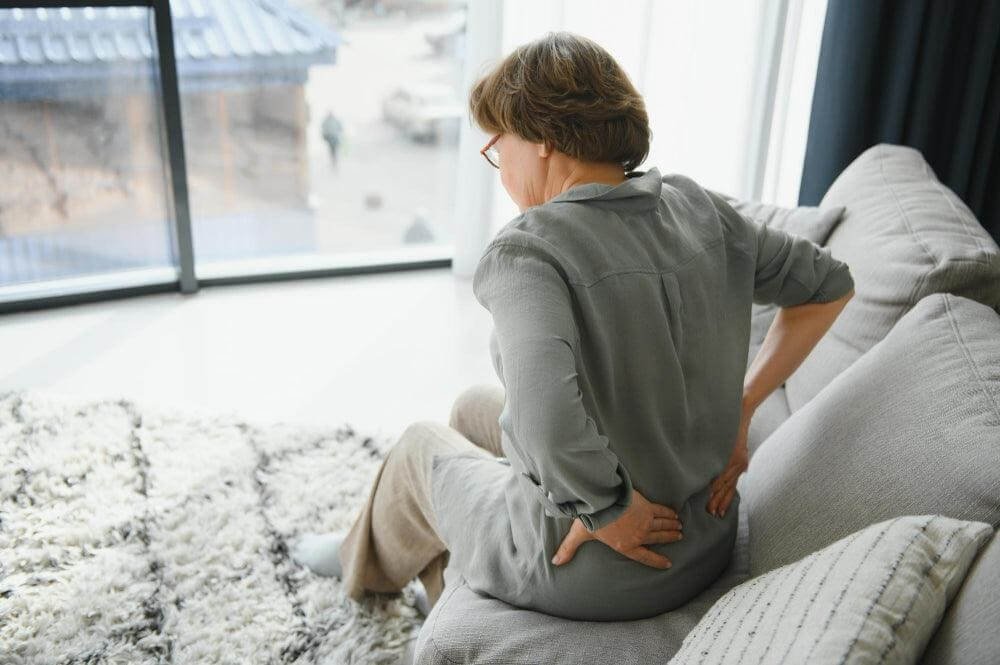
- Prevalence: Global studies indicate that 34% to 83% of individuals experiencing perimenopause or menopause suffer from lower back pain.
- Chronic Pain Risk: Research shows that women with menopausal symptoms are nearly twice as likely to receive chronic pain diagnoses, including back pain, migraines, and fibromyalgia.
This pain varies greatly from person to person. Some women feel a sharp, shooting sensation, while others describe a dull, heavy ache that feels like carrying an invisible backpack full of rocks.
What Causes Menopause and Lower Back Pain?
Understanding the underlying mechanics of your discomfort helps you navigate treatment with confidence:
- Hormonal Havoc: Fluctuations and drops in estrogen disrupt your body’s ability to maintain optimal bone density and muscle strength.
- Bone Density Blues: Rapid bone density loss can lead to conditions like osteopenia and osteoporosis, making your spine more vulnerable to daily stress.
- Muscle Mass Matters: Decreased muscle regeneration leads to reduced strength in the supporting muscles of your spine, putting extra pressure on your vertebrae.
- The Domino Effect: Hormonal imbalances trigger increased muscle tension, particularly across the lower back and pelvic region.
Beyond the Lower Back: Menopause Pain in Lower Abdomen and Back
Many women experience menopause pain in the lower abdomen and back simultaneously. This tandem discomfort can feel unsettling because it differs from standard menstrual cramps.
Your pelvic floor, abdominal, and lower back muscles work together as a team to stabilize your core. When hormonal changes affect one area, the others overcompensate, creating tension that wraps tightly around your midsection or pulses between your back and abdomen. Addressing this holistically yields better results than treating each symptom separately.
How to Treat Menopause Back Pain?
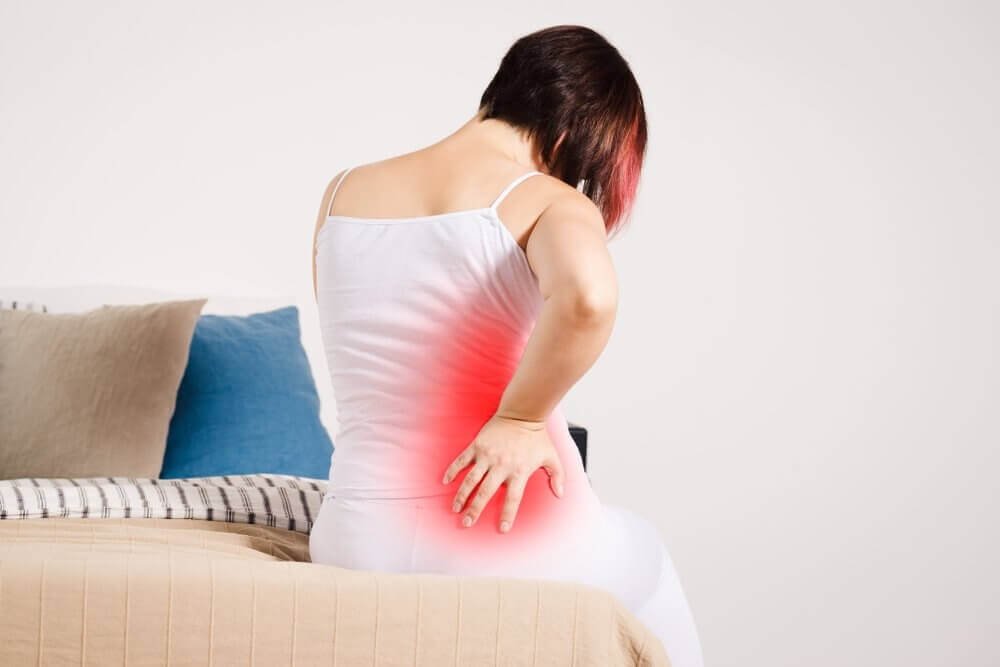
Managing menopause back pain involves building a personalized toolkit of habits and therapies:
- Movement Is Medicine: Regular, low-impact exercise—such as walking, swimming, water aerobics, gentle yoga, or tai chi—increases spinal flexibility and helps manage weight.
- Strength Training: Building core and back strength protects your spine from future discomfort and supports posture.
- Professional Support: Physical therapy offers tailored spinal stabilization programs, while chiropractic care or acupuncture provides additional relief for tight muscles.
- Targeted Nutrition: Incorporate calcium-rich foods and vitamin D supplements to support bone density, alongside omega-3 fatty acids from fish and flaxseeds to naturally reduce inflammation.
- Sleep and Ergonomics: Invest in a supportive mattress, use supportive pillows to relieve spinal pressure, and adjust your daily workstation ergonomics.
Medical Interventions and When to See a Doctor
While self-care and lifestyle adjustments work wonders, medical reinforcements are sometimes necessary:

- Hormone Replacement Therapy (HRT): HRT can help rebalance hormone levels and alleviate musculoskeletal pain for eligible individuals. Always consult a healthcare provider to weigh the risks and benefits.
- Pain Management: Over-the-counter anti-inflammatory medications can provide temporary relief during flare-ups.
When to consult a physician: Seek medical attention if your back pain persists despite self-care, interferes with daily tasks, radiates down your legs, is accompanied by numbness or tingling, or occurs alongside other concerning symptoms.
Frequently Asked Questions
Yes. The sharp decline in estrogen during menopause reduces bone density, weakens supporting back muscles, and increases joint inflammation, making lower back pain a very common symptom of the transition.
Because menopause is a multi-year transition, back pain can fluctuate in intensity. However, implementing a consistent routine of gentle movement, core strengthening, and proper nutrition can significantly shorten flare-ups and improve long-term comfort.
Yes. Regular walking, water aerobics, yoga, anti-inflammatory foods rich in omega-3s, calcium and vitamin D supplementation, and maintaining good sleep posture are highly effective natural strategies.
You should consult a healthcare professional if your back pain is severe, does not improve with self-care, radiates down your legs, causes numbness or tingling, or disrupts your ability to sleep and perform daily activities.